Key takeaways
- $125 to $500 or more per square foot remodels a home in Los Angeles in 2026, dry rooms low, kitchens and baths near $400.
- Budget about $50,000 for a serious kitchen, $20,000 for a midrange bathroom, and $200,000 for a detached ADU.
- LADBS Express Permits clear in one to seven business days, while full plan check runs four to eight weeks plus correction rounds.
- Carry 15 percent contingency on post-1980 houses and 20 percent on anything older, hillside, or previously remodeled.
- Los Angeles permitted 6,626 ADUs in 2024, about 43 percent of all newly permitted housing units in the city.
Remodeling a home in Los Angeles in 2026 costs $125 to $500 or more per square foot, per Sweeten’s October 2025 LA cost guide, with dry rooms like bedrooms at the low end and kitchens and baths near $400. Plan on six to twelve months from first sketch to final inspection, because LADBS plan check alone runs four to eight weeks on a standard residential remodel. Add the LA-only line items, seismic work, hillside geology, a housing stock that predates your grandparents, and the honest budget carries a 15 to 20 percent contingency. Here is the whole picture, sourced and current.
What remodeling costs in LA, by project type
A realistic 2026 budget starts at about $50,000 for a serious kitchen, $20,000 for a midrange bathroom, and $200,000 for a detached ADU. The table below pulls from LA-specific data published between 2024 and 2026: contractor-matching platforms, local design-build firms, and permit-valuation records. National cost guides run 20 to 40 percent light for this market, so treat them as a floor, never a quote.
| Project | LA range (2024 to 2026 data) | Where most projects land |
|---|---|---|
| Kitchen remodel | $30,000 to $100,000+ (GreatBuildz, updated May 2026) | $50,000 to $75,000 |
| Bathroom remodel | $13,185 to $27,072 midrange (Angi); $35,000 to $70,000 for a full gut | About $20,000 pull-and-replace; $35,000+ gut |
| Whole-home remodel | $125 to $500+ per sq ft (Sweeten) | $200 to $400 per sq ft for gut work with wet rooms |
| ADU | $95,000 to $225,000 garage conversion; $200,000 to $350,000 detached (LADU) | $300 to $400 per sq ft built |
Kitchens deserve their own caution. Cabinetry is the budget’s center of gravity: prefab runs about $150 per linear foot installed and custom about $250, with counters at $50 to $150 per square foot on top. Sweeten’s LA data puts a mid-grade kitchen at $37,500 to $45,000 and high-end work at $76,000 past $100,000. Bathrooms have their own full breakdown in our guide to what a bathroom renovation costs in Los Angeles, including the line items that swing the bill.
Whatever the lane, carry a contingency. Fifteen percent is the floor for post-1980 houses; 20 percent is honest for anything older, hillside, or previously remodeled by an optimist with a staple gun. The contingency is not pessimism. It is the difference between a discovered problem becoming a line item or becoming a stopped job while you arrange financing in the middle of a torn-open house.
One resale note before the fun parts. The 2025 Cost vs. Value Report shows midrange projects recouping the most: a midrange bath remodel returns 73.7 percent nationally while upscale versions return far less. Remodel for the next twenty years of living, not the appraisal.
The permit reality: how LADBS actually works
Almost every real remodel in the City of Los Angeles routes through LADBS, and the permit path you qualify for sets your calendar. There are two lanes. Express Permits cover same-layout work with no structural changes, and LADBS issues them online without plan check. The official eligibility list names kitchen and bathroom remodels with no structural changes, plumbing fixture replacement, reroofing, and similar swaps. These clear in one to seven business days, often same day.
Touch a wall, move plumbing, or add square footage and you enter full plan check. Standard residential plan check runs four to eight weeks, and most projects go through two to three correction rounds, each adding weeks. Hillside, coastal, and fire-zone projects need extra departmental clearances and take longer still. Permit fees themselves are modest by comparison: $750 to $2,500 for standard projects, $5,000 to $20,000 for large ones.
The permit is the start of the relationship, not the end. Permitted work gets inspected in stages, rough plumbing, rough electrical, framing, insulation, final, and California’s Title 24 energy code shapes what passes: efficient lighting, low-flow fixtures, ventilation that meets spec. A contractor who works in the city weekly schedules inspections without drama. One who suggests skipping the permit is volunteering you for unpermitted-work disclosures at resale, insurance gaps, and a possible order to open finished walls.
The practical move is to design to the permit lane you can live with. A same-layout remodel that expresses through in a week is sometimes worth more than the slightly better floor plan that costs two months of plan check and a winter of takeout.
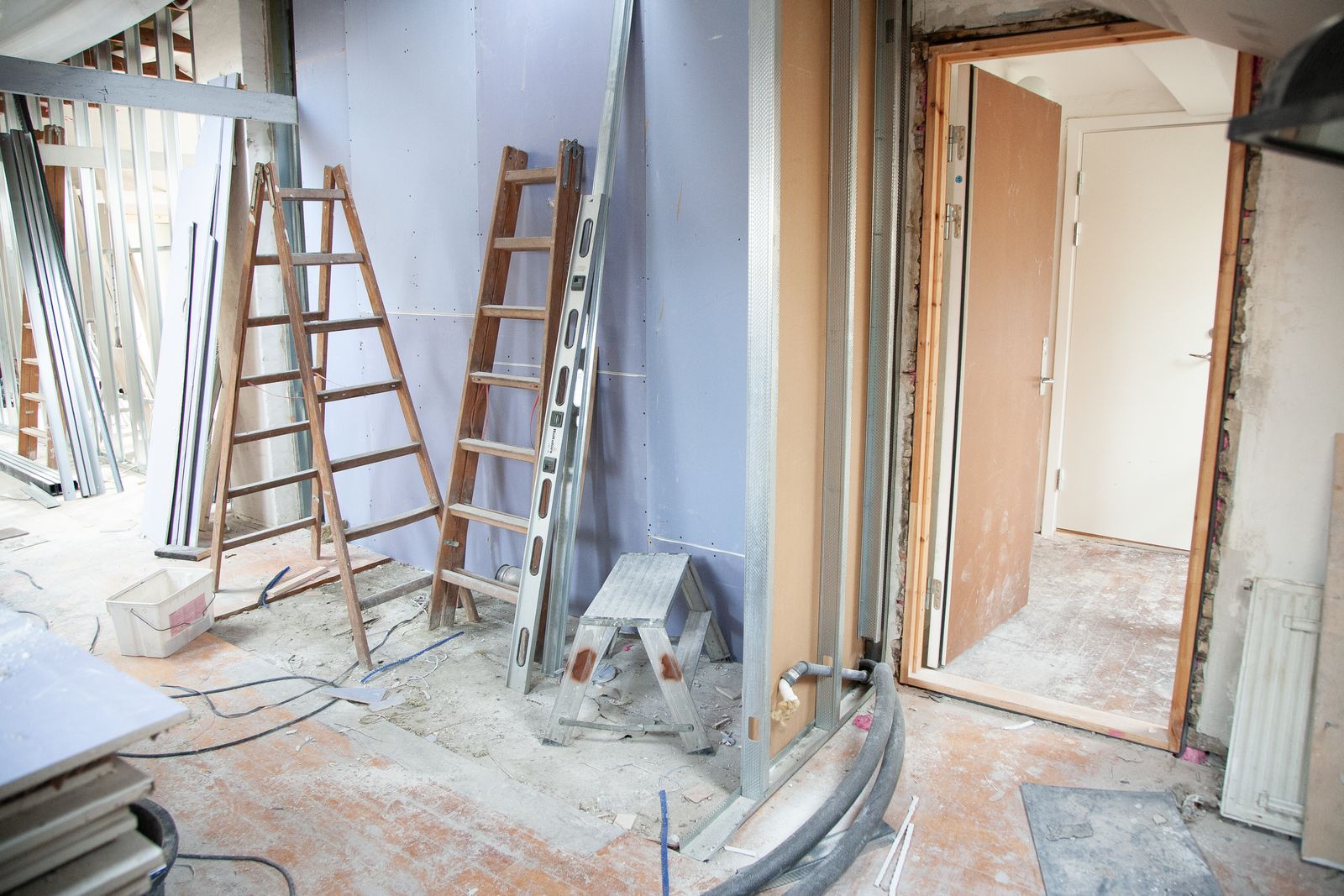
What makes LA different: hills, earthquakes, and old bones
Four local factors separate an LA remodel from one anywhere else: hillside lots, mandatory seismic logic, a pre-war housing stock, and historic overlay zones. Each one is a budget line, not a footnote.
Hillside lots and the geology report
If your house sits in the hills, the city wants proof the hill agrees with your plans. Los Angeles requires geology and soils reports for new hillside construction, hillside pools and decks, retaining walls, and room additions, with extra scrutiny in landslide and liquefaction zones. Beyond the reports, contractors price hillside access itself: 15 to 25 percent extra labor for staging, hauling, and stairs in neighborhoods like Silver Lake and Mount Washington. The payoff is the reason people stay anyway; our look at Laurel Canyon interior design makes the case for the canyon premium.
Seismic work, mandatory and voluntary
If you own a pre-1978 wood-frame building of two or more stories with ground-floor parking, the city’s soft-story retrofit ordinance (Ordinance 183893) already applies to you, with a seven-year compliance clock from notification. Small apartment retrofits run $35,000 to $95,000 for a four-unit building. Single-family owners face no mandate, but a remodel is the cheapest moment to bolt the house to its foundation: $4,000 to $14,000 for bolting, $8,000 to $32,000 with cripple-wall bracing, and the state’s Brace + Bolt program reimburses $3,000 of it.
Old houses, hidden systems
LA’s charm is its 1920s Spanish and midcentury stock, and that stock hides original systems. Pre-1950 homes can carry knob and tube wiring, which costs $12,000 to $36,000 to replace house-wide. Pre-1970 homes often have galvanized supply pipe; a copper or PEX repipe runs $4,500 to $15,000 locally. Under the lawn, original clay sewer laterals crack and root; LA replacements average $4,091, ranging $1,551 to $6,631. And pre-1980 drywall mud, flooring, and mastic routinely test positive for asbestos, with abatement at $2,000 to $5,000. Scope camera the sewer and test before demo. Surprises cost more mid-project.
HPOZs and HOAs: when the neighborhood reviews your plans
An HPOZ is a Historic Preservation Overlay Zone, the city’s version of a local historic district, and Los Angeles has thirty-five of them, from Angelino Heights, the first in 1983, to West Adams and Miracle Mile North. Inside one, a five-member board reviews exterior changes to contributing homes: windows, doors, porches, roofs, additions. Interior work is generally yours to direct, but that vinyl window swap is not. Condo and HOA buildings add their own architectural review on top of LADBS. Check the overlay before you fall for the house; the city’s ZIMAS map shows it in seconds.
Sequencing the remodel: design, bids, permits, build
The right order is design first, bids second, permits third, construction last, with materials ordered before demo. Projects that blow up usually ran two of those in parallel to save time and lost more than they saved.
- Design, 1 to 3 months. Lock the floor plan, finishes, and fixture schedule on paper, where changes are free. For layout changes or budgets past $100,000, a designer earns their 10 to 15 percent in avoided change orders and trade pricing. Our survey of the interior designers defining Los Angeles right now is a good place to start the shortlist.
- Bids, 3 to 6 weeks. Three comparable bids from licensed contractors, priced off the same drawings. The spread tells you as much as the numbers. Our guide to choosing a contractor in Los Angeles covers CSLB license checks and the red flags specific to this market.
- Permits, 1 week to 2 months. Express lane for same-layout work, full plan check for everything else. Submit complete drawings; correction rounds are where timelines die.
- Build, 2 to 9 months. A bathroom takes three to six weeks of construction, a kitchen six to ten, a whole home six months and up. Order tile, glass, appliances, and windows before demo day. A house torn open while finishes sit on backorder is the most expensive storage unit in the city.
Two scheduling notes specific to this city. First, decide early if you are living through the work; a kitchen gut means two to three months of no kitchen, and short-term rental math belongs in the budget, not the panic phase. Second, change orders are where disciplined budgets go to die. Decide finishes before drywall closes, put every change in writing with a price, and accept that “while the walls are open” is both the best and the most expensive sentence in remodeling.
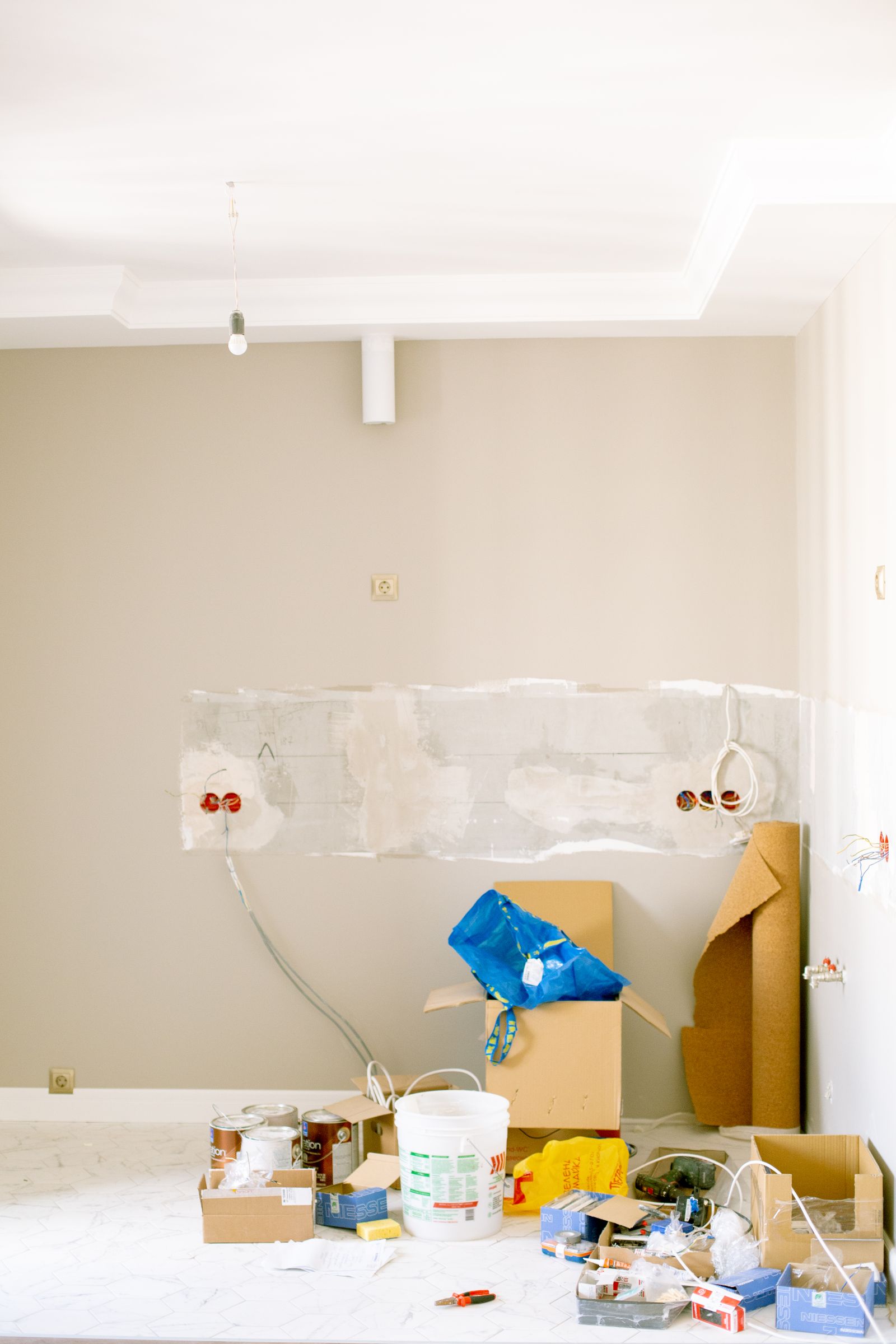
The ADU question: why every backyard has scaffolding
ADUs boomed because the state made them nearly impossible to deny. Los Angeles permitted 6,626 ADUs in 2024, about 43 percent of all newly permitted housing units in the city, against just 7,038 apartment units, the lowest in over a decade. State ADU law, enforced by the California Department of Housing and Community Development, requires cities to review applications ministerially and approve or deny within 60 days of a complete application. No public hearing, no neighbor veto.
Budget honestly: $95,000 to $225,000 for a garage conversion and $200,000 to $350,000 for a one-story detached unit, roughly $300 to $400 per square foot, plus $8,000 to $25,000 in design fees and $5,000 to $10,000 in permits. Pre-approved standard plans shorten the city’s side of the process considerably. As a rental, a guest house, or a studio, it is the rare LA project where the regulations work in the owner’s favor.
Questions readers ask
How much does it cost to remodel a house in Los Angeles?
Budget $125 to $500 or more per square foot depending on scope and finish level. Dry rooms like bedrooms sit near the bottom; kitchens and bathrooms approach $400 per square foot. A full gut of a 1,500 square foot house typically lands between $300,000 and $600,000 with midrange finishes in 2026.
How long does a remodel take in Los Angeles?
Six to twelve months for a substantial remodel, counting design, bids, permits, and construction. LADBS Express Permits clear in one to seven business days for same-layout work, while full plan check runs four to eight weeks plus correction rounds. Construction itself is often the most predictable phase.
What is an HPOZ and does it affect my remodel?
A Historic Preservation Overlay Zone is a city-designated historic district, and Los Angeles has thirty-five. Inside one, a review board must approve exterior changes to contributing homes, including windows, doors, roofs, and additions. Interior remodels generally proceed normally. Check your address on the city’s ZIMAS map before designing anything visible from the street.
Is building an ADU in Los Angeles worth it?
Usually, if you hold the property long enough to recover $150,000 to $400,000 in total project cost. State law forces a decision within 60 days, permitting is ministerial, and LA rents support the math in most neighborhoods. Garage conversions are the cheapest entry at $95,000 and up.