Key takeaways
- Laurel Canyon housing arrived in three waves: 1910s and 1920s cabins, between-the-wars revival cottages, and postwar post-and-beam modernist hillside builds.
- Tree cover filters daylight, so warm whites, ochre, olive, terracotta, and rust hold color where cool grays and bright whites go flat.
- Plan three to five warm light sources per room at 2700K or below, and skip the recessed-can grid that flattens old ceilings.
- Hillside work runs roughly 40 to 60 percent above flat-lot construction, about $400 to $1,200 or more per square foot.
- Five stores cover the look: Galerie Half, Lawson-Fenning, Nickey Kehoe, Midcentury LA, and Sunbeam Vintage in Highland Park.
Laurel Canyon interior design starts with the architecture and works inward. The canyon’s housing stock runs from 1920s cabins to postwar post-and-beam, most of it on small hillside lots under a heavy tree canopy, and the interiors that succeed here accept those conditions instead of fighting them. That means exposed structure left visible, warm woods over painted finishes, earth tones that hold their depth in filtered light, and rooms that open onto decks because flat yards do not exist. The look reads as collected rather than decorated: vintage furniture, layered textiles, low-slung silhouettes, and a tolerance for patina that suits houses now approaching their second century.
The housing stock: cabins, cottages, and post-and-beam
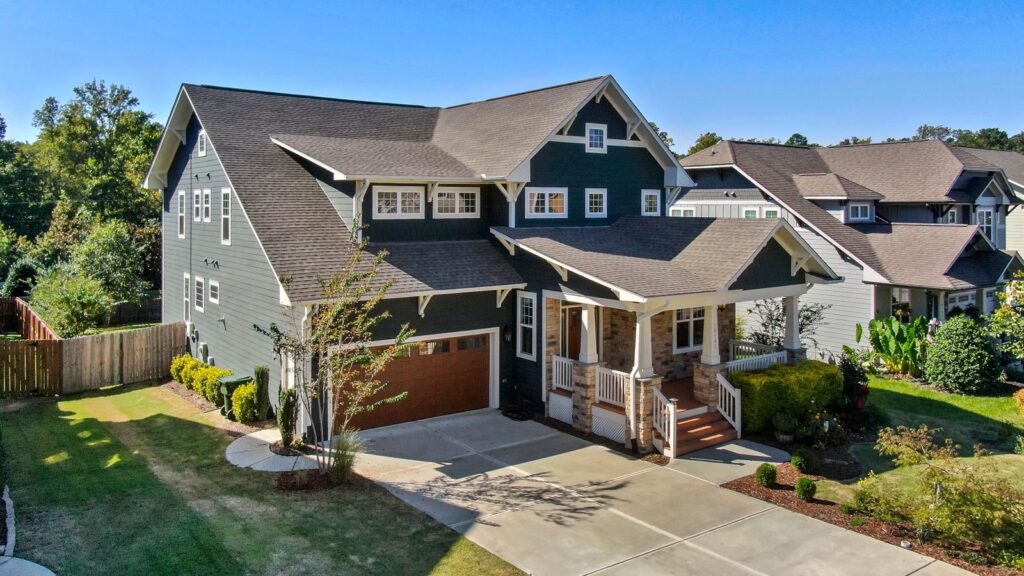
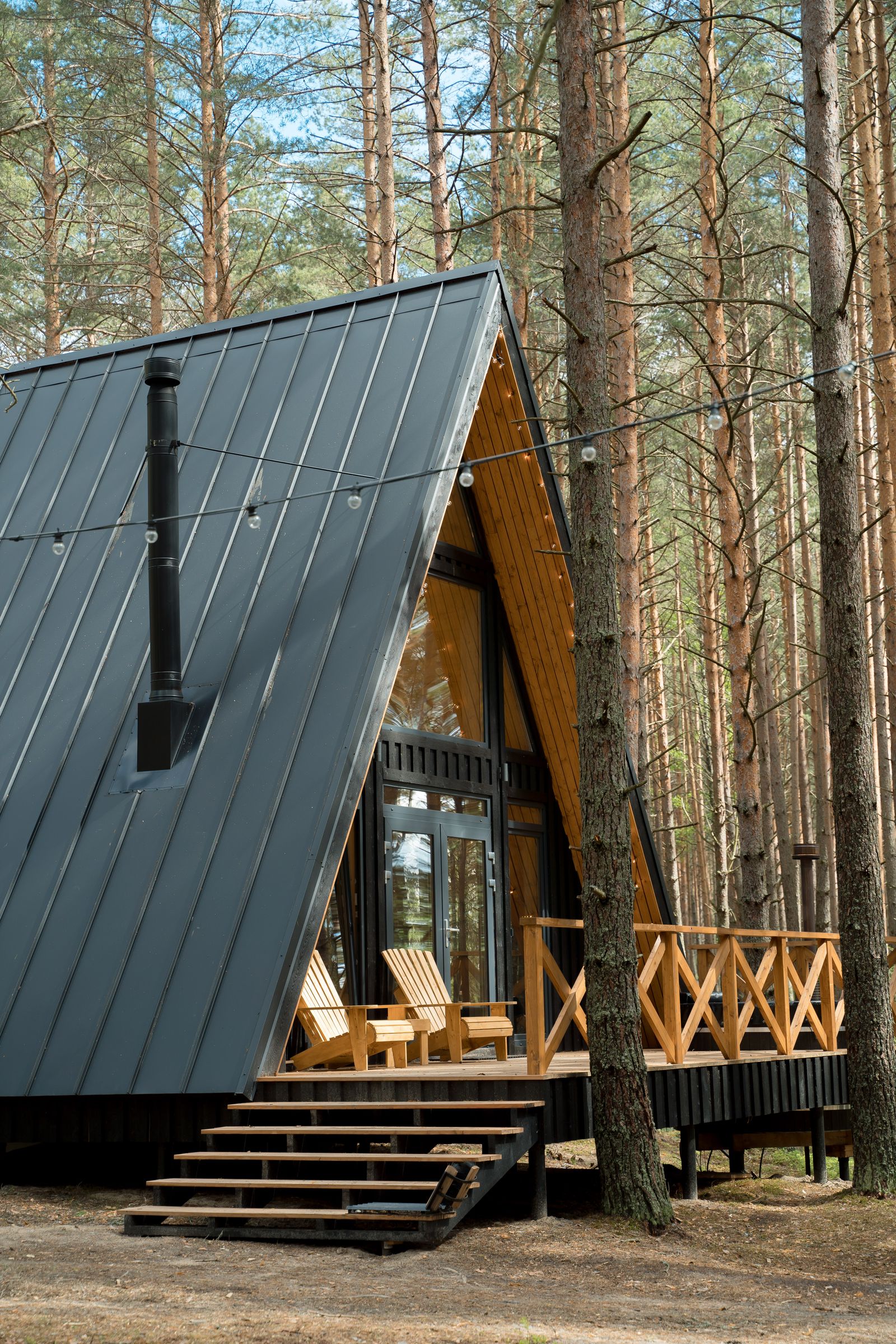
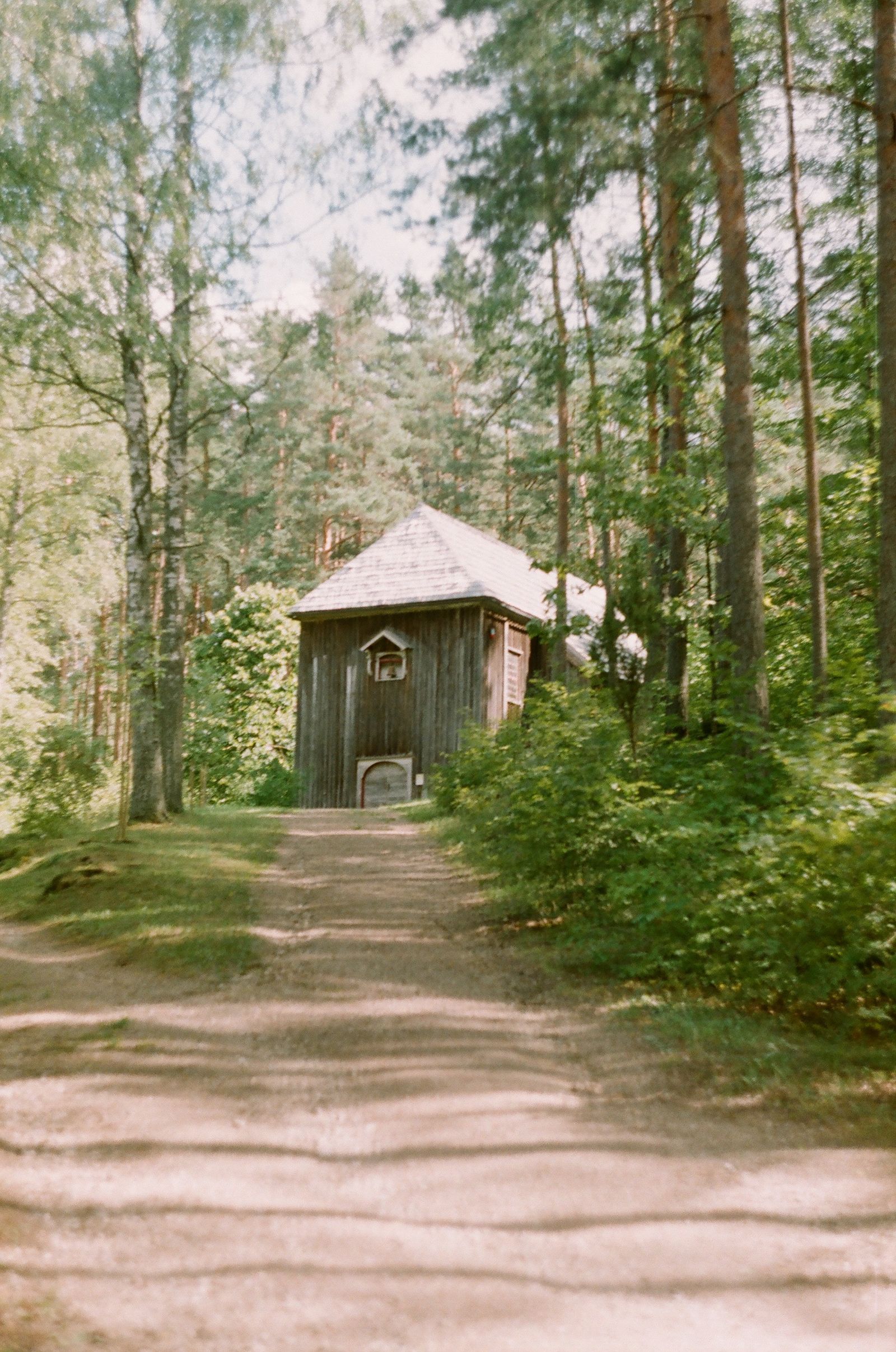
Laurel Canyon’s houses arrived in three waves: rustic cabins in the 1910s and 1920s, romantic revival cottages between the wars, and modernist hillside builds after 1945. The canyon began as a weekend retreat. Developer Charles Spencer Mann subdivided tracts with names like Bungalow Land around 1910 and ran a trackless trolley, the first commercial trolley bus line in the country, up Lookout Mountain to sell city dwellers on cabin life, according to the Laurel Canyon Association’s canyon history. Many of those cedar-sided cottages and log cabins still stand, remodeled half a dozen times over.
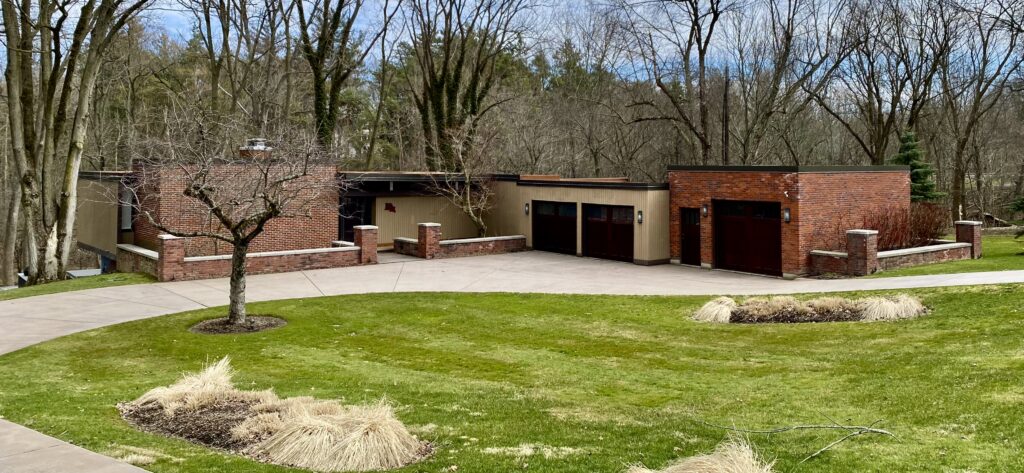
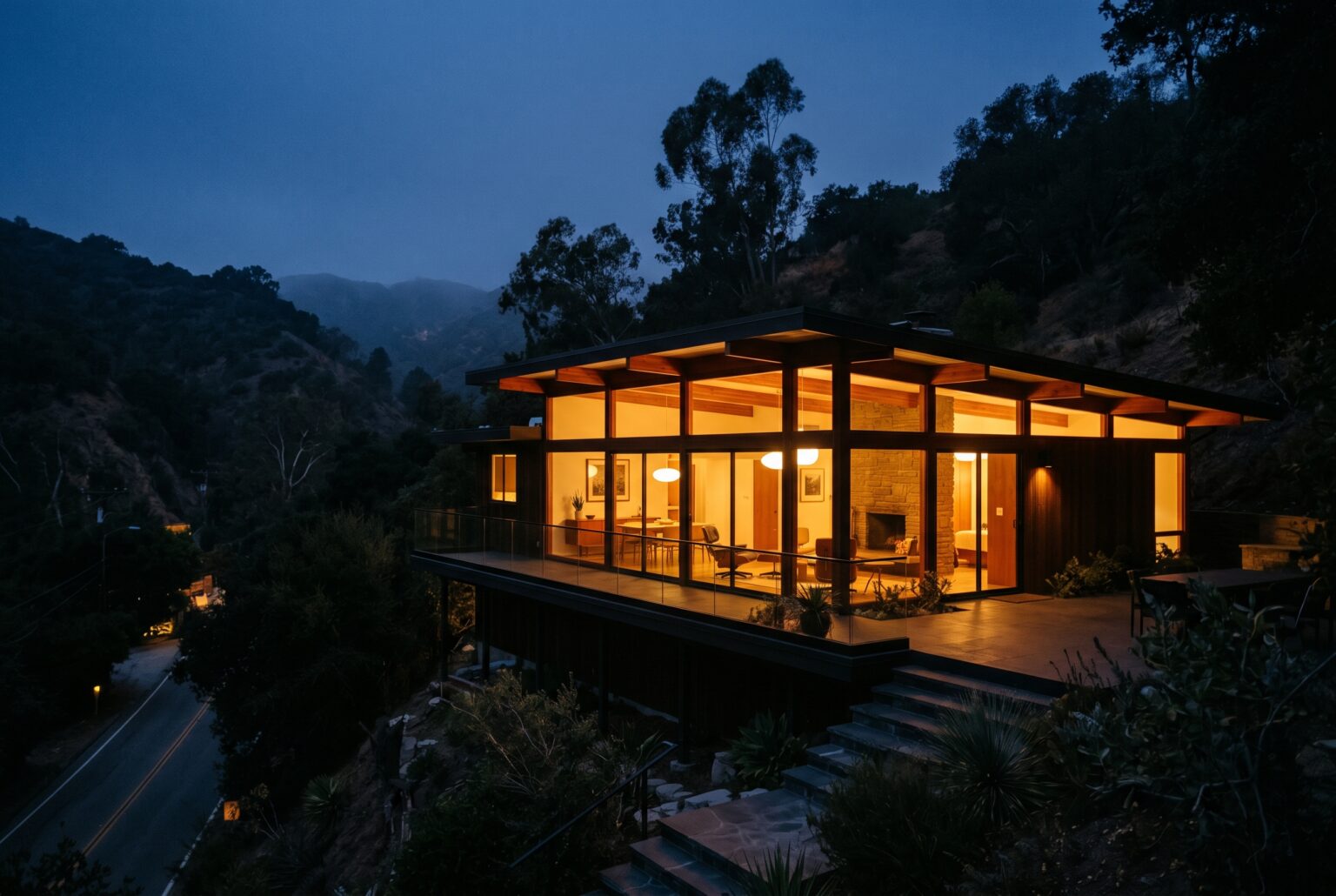
The 1920s and 1930s added English Tudor, storybook, and Spanish cottages as Hollywood money moved in. Then came the postwar modernists. The Association’s survey of residential styles describes the era’s ideal as light construction, an open connection with the land, and a low profile, which is post-and-beam in a sentence: exposed structural framing, flat or shallow-pitched roofs, and glass walls where masonry would have gone. Spec builders carried the formula up the slopes through the 1960s, often on stilts. The same lineage runs through the east side hills, which we cover in our Silver Lake interior design guide.
One short note on the canyon’s other history. From the mid 1960s into the 1970s, Joni Mitchell, Cass Elliot, and the members of Crosby, Stills and Nash made these cottages the center of the LA folk-rock scene, a story Britannica recounts in detail. The domestic image that era left behind, firelight, wood paneling, instruments on the floor, still shapes how people decorate here.
What works in canyon light
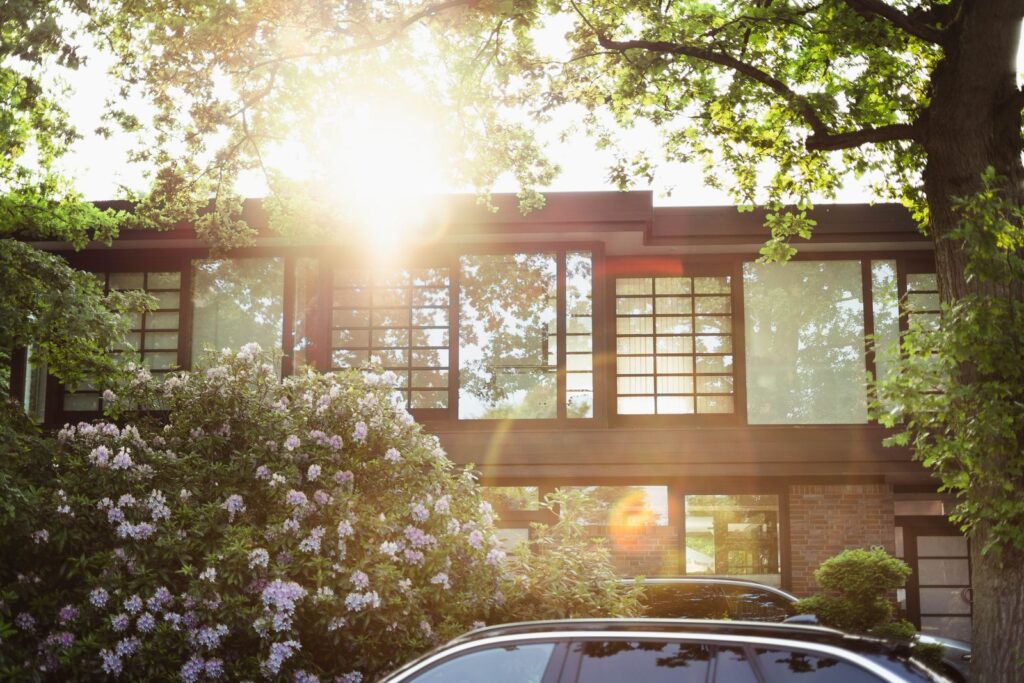
Canyon interiors need warmth built in, because the light arrives filtered rather than full. Oaks, sycamores, and eucalyptus shade most lots for much of the day, and houses on north-facing slopes see even less direct sun. Stark white walls and cool grays go flat and slightly green under that canopy. Warm whites, ochre, olive, terracotta, and rust hold their color, which is why the canyon palette skews earthy by necessity, not just by taste.
Wood does the heavy lifting. Walnut, teak, and white oak read richer in low light than painted finishes, and an exposed beam ceiling in its original stain is worth more atmosphere than any paint job. Keep wall sheens low and let reflective surfaces do targeted work: a large mirror opposite the glazing, unlacquered brass hardware, a glass or travertine tabletop. Lamps matter more here than in most of LA. Plan for three to five light sources per room at warm color temperatures, 2700K or below, and skip the recessed-can grid that flattens an old ceiling.
Indoor-outdoor flow on a slope is about decks, not lawns. The move is to treat the deck as a furnished room: run interior and exterior floor tones close together, use the widest sliders or French doors the framing allows, and repeat one or two interior materials outside so the threshold disappears. A canyon house with a ten-foot-deep deck off the living room effectively gains a second living room for most of the year.
The practical hillside reality
Renovating in Laurel Canyon costs more than the same work on a flat lot, and the gap is structural rather than cosmetic. Hillside construction in Los Angeles runs roughly 40 to 60 percent above flat-lot work, in the range of $400 to $1,200 or more per square foot, driven by grading, caisson foundations, retaining walls, and the city’s extended hillside plan review, per Benson Construction Group’s hillside guide. Retaining walls alone price at $150 to $400 per linear foot before engineering, and a geotechnical report is usually required before anyone draws a plan.
Access compounds the math. Canyon streets are narrow, parking and staging space barely exist, and materials sometimes move by hand or by crane. Contractors price that friction in. If you are budgeting a project here, read our realistic guide to remodeling a home in Los Angeles first and add a hillside contingency on top.
The design consequence is discipline. Most canyon footprints are small, set by narrow lots drawn in the 1910s, so the houses reward editing. Built-ins recover floor area that freestanding storage would eat. Fewer, larger furniture pieces make a 1,200-square-foot house feel composed instead of crowded. And before moving any walls, ask whether the money is better spent on glazing, decks, and lighting, the three upgrades that change how a canyon house actually lives.
Where to shop for the look
Five Los Angeles stores cover the canyon look across price points, and all five are open as of mid 2026. For the broader citywide map, see our guide to where to buy modern furniture in Los Angeles.
Galerie Half
Galerie Half, at 6911 Melrose Avenue, deals in 20th-century European design: Wegner, Perriand, Jacobsen, and pieces in wood, leather, and stoneware that look born for a post-and-beam living room. This is the top of the market, and the place to find the one anchor piece a small house needs.
Lawson-Fenning
Lawson-Fenning, at 6824 Melrose Avenue, builds its own collection in Los Angeles, heavy on solid walnut, leather, and ceramics, alongside curated vintage. The proportions are low and architectural, scaled well for canyon rooms with prominent ceilings.
Nickey Kehoe
Nickey Kehoe, at 7266 Beverly Boulevard, mixes its own line with vintage and global finds. The shop’s layered, slightly bohemian warmth is the closest retail equivalent to the canyon’s 1970s domestic mood, useful for textiles, lighting, and the smaller objects that make a room read as lived in.
Midcentury LA
Midcentury LA, at 5333 Cahuenga Boulevard in North Hollywood, imports and restores European and Brazilian vintage from the 1960s through the 1980s. Strong for teak and rosewood casegoods, and the closest of the five to the canyon itself, ten minutes down the 101.
Sunbeam Vintage
Sunbeam Vintage, at 106 S Avenue 58 in Highland Park, is the value play: a large, fast-turning floor of midcentury and vintage furniture, lighting, art, and rugs at prices that let you furnish a whole cabin without trade pricing. Open daily.
Questions readers ask
What style is a Laurel Canyon house?
There is no single style. The canyon holds 1910s and 1920s cabins, storybook and Spanish cottages from between the wars, and post-and-beam modernist builds from the postwar decades, per the Laurel Canyon Association. What unifies them is the setting: small hillside lots, heavy tree cover, and interiors that lean on wood, warmth, and indoor-outdoor connection.
What colors work best in a Laurel Canyon home?
Warm, earthy tones with real pigment: warm white, ochre, olive, terracotta, rust, and deep brown. Tree cover filters the daylight, so cool grays and bright whites tend to go flat and dull. Natural wood in walnut, teak, or oak should carry as much of the room as paint does, with warm artificial light, 2700K or lower, filling in.
Why do renovations cost more in Laurel Canyon?
Slopes and access. Hillside work in Los Angeles runs about 40 to 60 percent above flat-lot construction once grading, caissons, retaining walls, and extended city plan review enter the budget, according to Benson Construction Group. Narrow streets with no staging room add labor on top. Budget a hillside contingency before you commit to a scope.