Key takeaways
- Silver Lake holds more Richard Neutra buildings than any other neighborhood in the world, anchored by his VDL Research House.
- The VDL House went up in 1932, burned in 1963, and was rebuilt as the glass-walled VDL Research House II.
- Schindler started the Oliver House in 1933, while Lautner’s Silvertop took roughly two decades to finish.
- Beyond the icons, the hills filled with 1920s and 1930s Spanish revival houses, cottages, and hillside bungalows.
- The look now reads as collected vintage, saturated color like deep green and oxblood, clay, and bare view windows.
- Danish Modern L.A., Casa Victoria, Broome Street General Store, and Mohawk General Store cover the shopping.
- The Neutra VDL House opens for Saturday tours from 11 a.m. to 3 p.m., led by Cal Poly Pomona students.
Silver Lake interior design takes its cues from the densest concentration of modernist architecture in Los Angeles. The neighborhood wraps around a reservoir ringed with Richard Neutra’s glass-and-steel experiments, and the interiors that succeed here follow the architecture’s lead: view windows left bare or barely dressed, furniture kept low so sightlines run to the water, collected vintage instead of showroom sets, and color used with more nerve than the westside usually permits. Layer in the Spanish revival and 1920s bungalow stock that covers most of the hills and you have the local formula. Respect the bones, protect the views, and let plants, clay, and well-worn wood do the softening.
The Neutra legacy on the reservoir
Silver Lake holds more Richard Neutra buildings than any other neighborhood in the world, and the anchor is the house he built for himself. The VDL Research House went up in 1932 on the eastern edge of the reservoir, financed with help from Dutch industrialist C. H. van der Leeuw, whose initials gave the house its name. Neutra used it as home, office, and a running demonstration of how a small city lot could feel open, private, and connected to the landscape at once.
A fire gutted the house in the spring of 1963. Neutra and his son and partner Dion rebuilt it on the surviving foundation in the mid 1960s as VDL Research House II, the glass-walled version that stands today, according to the Los Angeles Conservancy. Dione Neutra left the house to Cal Poly Pomona’s College of Environmental Design in 1990, per the house’s documented history, and it is now a National Historic Landmark operated as a house museum.
The VDL House is not alone. South along Silver Lake Boulevard, on Earl Street, and on a small cul-de-sac that now carries the name Neutra Place sits the Neutra Colony, a cluster of houses the architect designed from the late 1940s into the early 1960s. The Neutra Institute documents the Reunion House among them, and Modern Living LA records the Kambara Residence, designed for a Japanese American family at a time when much of the Los Angeles property market was closed to them. These were individual commissions, not a tract, which is why each house meets its slope differently.
Schindler and Lautner up the hill
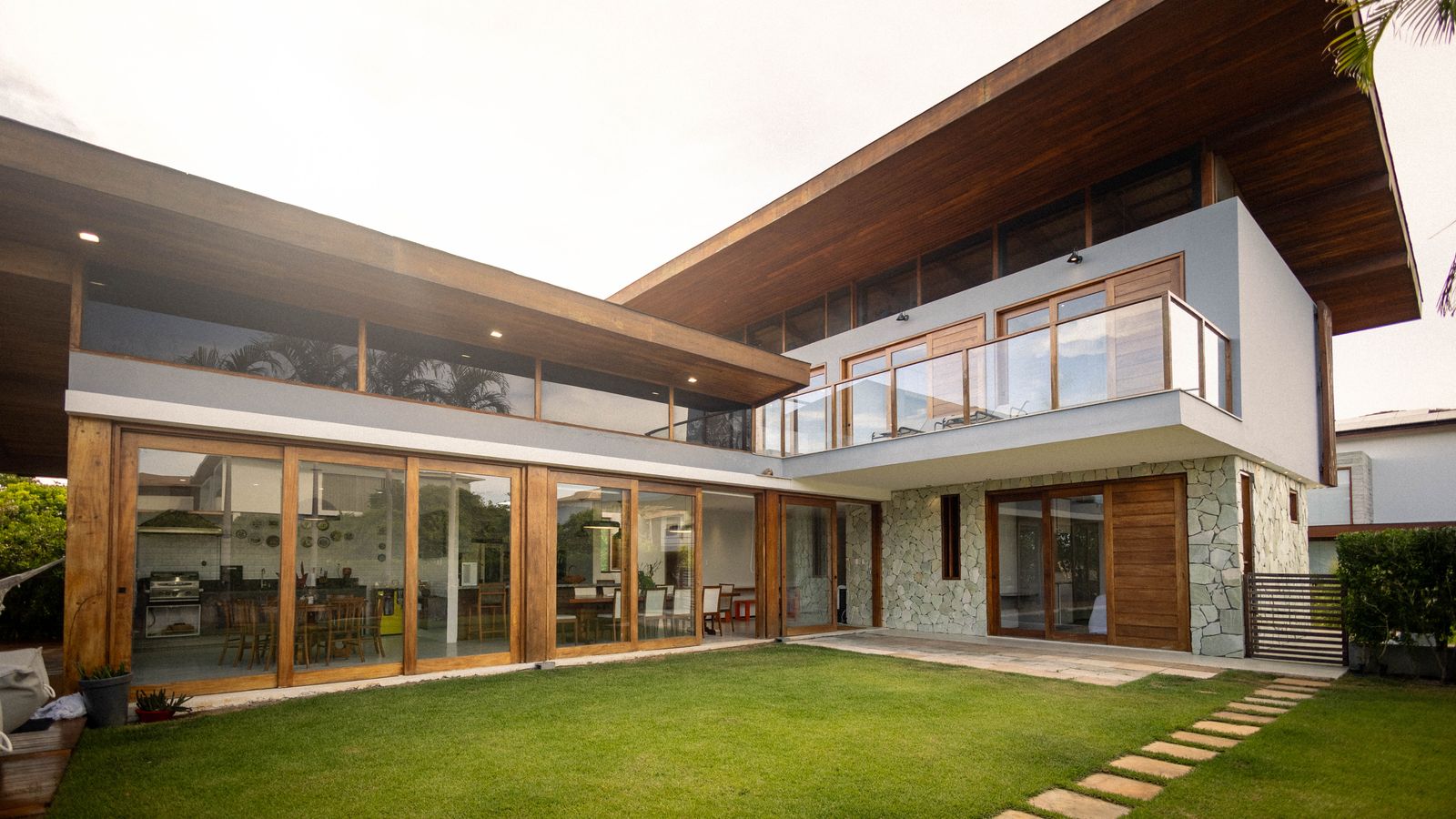
Neutra was not working alone on these hills. Rudolph Schindler, his onetime collaborator and lifelong rival, started the Oliver House at 2236 North Micheltorena Street in 1933, building in wood and stucco to suit a Depression budget and rotating the house 45 degrees off the lot lines to catch views in four directions, as The Eastsider reported when the house was nominated as a city Historic-Cultural Monument. The Los Angeles Conservancy’s Schindler biography counts his Silver Lake work alongside the rest of a career that helped define Southern California modernism.
John Lautner supplied the neighborhood’s most theatrical landmark. Silvertop, the Reiner-Burchill Residence at 2138 Micheltorena Street, was commissioned by industrialist Kenneth Reiner in 1956 and took roughly two decades to finish, with a prestressed concrete roof spanning about 80 feet and one of the earliest infinity-edge pools, per Beyond Shelter’s history of the house. A recent restoration by Bestor Architecture brought the systems current while keeping the original geometry intact.
The housing mix beyond the icons
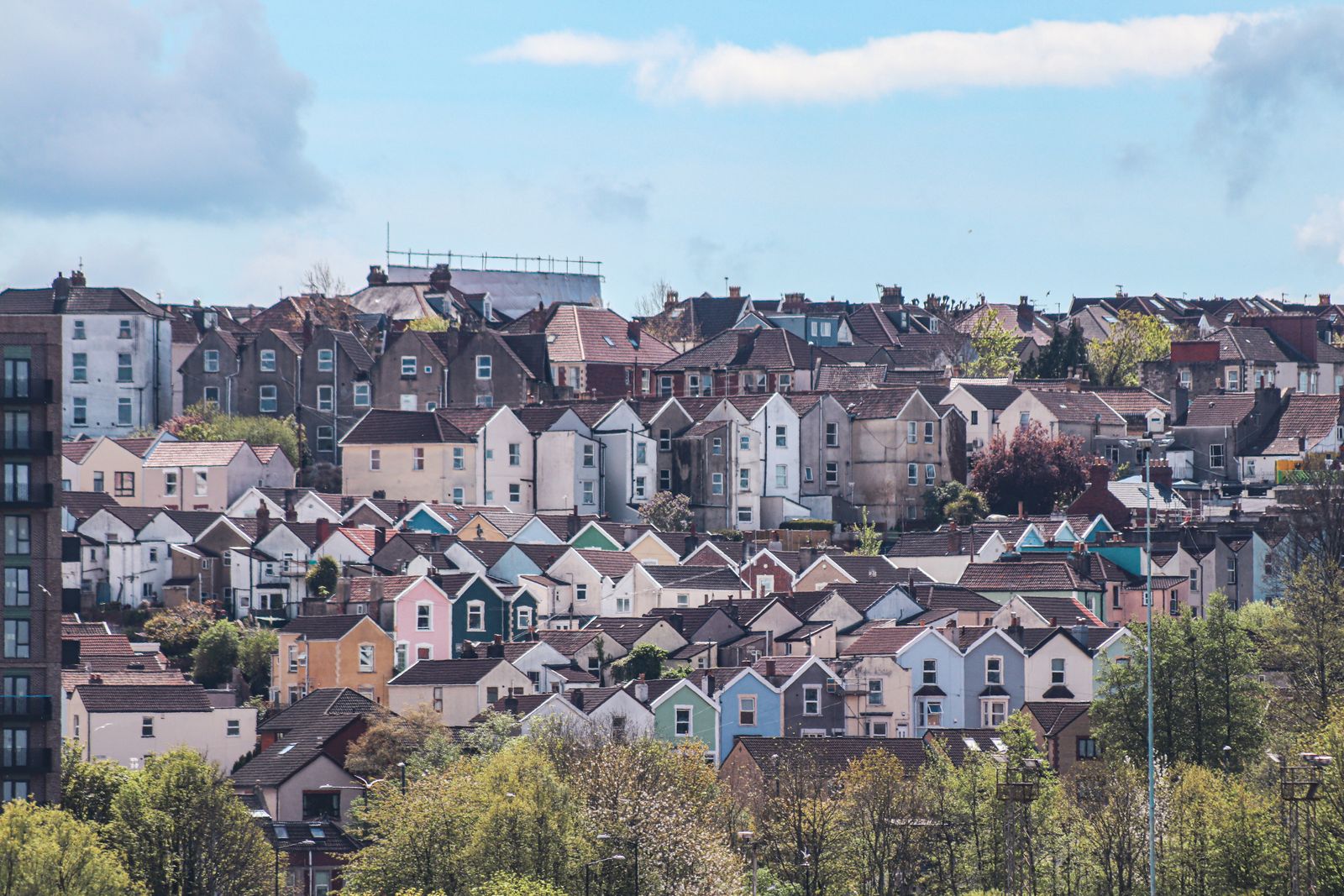
Most of Silver Lake is not modernist, and the neighborhood is better for it. The hills filled in during the 1920s and 1930s with Spanish colonial revival houses, storybook cottages, and hillside bungalows, stitched together by public staircases built for residents who commuted by streetcar. One of those staircases appeared in the 1932 Laurel and Hardy short The Music Box, and the steps still climb the same slope today.
That mix sets the design brief. A Spanish revival interior here works with arched openings, plaster walls, dark-stained wood, and tile, while a 1920s bungalow rewards simple casework and warm paint over gut renovation. The mistake is forcing midcentury minimalism onto a 1928 plan. The houses that photograph best in this neighborhood are the ones where the furniture acknowledges the year the walls went up.
The Silver Lake look now
The current Silver Lake interior reads as collected, confident, and slightly handmade. Vintage carries most rooms: a Danish credenza, a 1970s travertine table, dining chairs that do not match the table and were never meant to. Pieces arrive over years, from local dealers and the occasional estate sale, and the rooms feel argued over rather than ordered.
Color is the neighborhood’s clearest tell. Where much of Los Angeles defaults to white, Silver Lake commits to deep green cabinetry, oxblood, mustard, and inky blue, often on a single saturated wall or a painted ceiling. Plants and clay do the softening: terracotta pots, handmade ceramics from the area’s many working potters, and enough greenery to blur the line between the room and the hillside outside.
Hillside houses add one discipline: the view window rules the room. Furniture stays low and pulls back from the glass, window treatments shrink to solar shades or nothing, and lighting is planned so evening reflections do not erase the reservoir. It is a different conversation from the tree-filtered rooms in our Laurel Canyon interior design guide, where the problem is too little light rather than too much glass. And any structural work on these slopes carries hillside costs, which our realistic guide to remodeling in Los Angeles breaks down before you commit to a scope.
Where to shop the look
Four stores in and around Silver Lake and Echo Park cover the look, and all four are open as of mid 2026. One change worth knowing: Lawson-Fenning, long the design anchor at 1618 Silver Lake Boulevard, closed that store and consolidated into its two-story flagship at 6824 Melrose Avenue. The brand is alive and well, just no longer on the boulevard. For the citywide map, see our guide to where to buy modern furniture in Los Angeles.
Danish Modern L.A.
Danish Modern L.A., at 3028 West Sunset Boulevard, sells authentic midcentury Danish furniture restored in its own workshop. Teak and rosewood casegoods, dining sets, and lighting, all brought back to working condition rather than left as projects. Open daily.
Casa Victoria
Casa Victoria, at 1284 Sunset Boulevard in Echo Park, has dealt in vintage furniture since 1999, with a floor that runs from Art Deco through 1980s design and names like Milo Baughman in the mix. This is the value play, and the right first stop for a sofa or dining set with some history.
Broome Street General Store
Broome Street General Store, at 2912 Rowena Avenue, pairs a coffee counter with homewares, kitchen goods, and the smaller objects that finish a room. Useful for ceramics, linens, and gifts, and open every day.
Mohawk General Store
Mohawk General Store, at 4011 West Sunset Boulevard near Sunset Junction, mixes designer clothing with a tight selection of objects for the home, including lighting and ceramics. It is the neighborhood’s best argument that a wardrobe and a living room can share one point of view. Open daily, 11 to 6.
Visiting the icons
You can tour one of the landmarks, and the rest you admire from the sidewalk. The Neutra VDL House at 2300 Silver Lake Boulevard opens for public tours on Saturdays from 11 a.m. to 3 p.m., led by Cal Poly Pomona architecture students, with tickets available through the house’s official site. Standing in the mirrored rooftop pavilion above the reservoir explains the neighborhood’s design logic faster than any article can.
The Neutra Colony houses, the Oliver House, and Silvertop are private homes. Walk Silver Lake Boulevard and Earl Street for the Colony facades, keep to the street, and skip the driveways. The reservoir path gives the best free architecture lesson in the city: one loop covers Neutra’s glass, the Spanish revival hills, and Silvertop’s concrete curve above Micheltorena.
Questions readers ask
Can you visit the Neutra VDL House in Silver Lake?
Yes. The VDL Research House at 2300 Silver Lake Boulevard runs public tours on Saturdays from 11 a.m. to 3 p.m., led by Cal Poly Pomona architecture students, per the official VDL site. Buy tickets through the site before you go. The other Neutra houses in the neighborhood are private residences, viewable only from the street.
What defines the Silver Lake interior style?
Collected vintage furniture, saturated color, handmade ceramics, and restraint at the window. The neighborhood’s modernist stock rewards low furniture and bare glass that keep reservoir views open, while its Spanish revival and bungalow houses call for plaster, tile, and warm wood. The common thread is rooms assembled over time rather than bought in one order.
Are there still design stores in Silver Lake after Lawson-Fenning moved?
Yes. Lawson-Fenning consolidated to its Melrose Avenue flagship, but Danish Modern L.A. restores and sells midcentury Danish furniture on Sunset Boulevard, Casa Victoria covers vintage across eras in Echo Park, Broome Street General Store handles homewares on Rowena Avenue, and Mohawk General Store stocks home objects near Sunset Junction. All four are open as of mid 2026.