Key takeaways
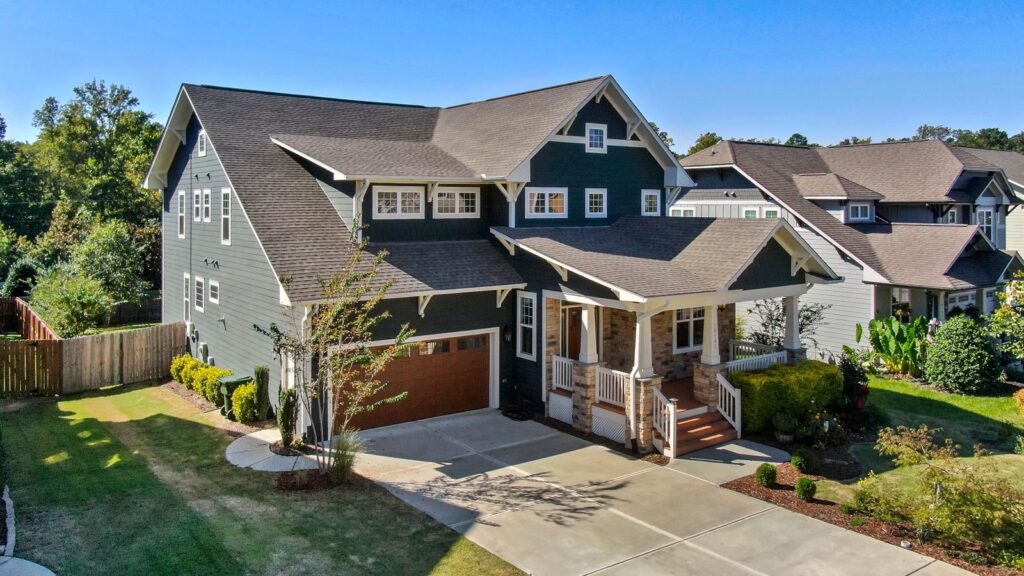
- Venice housing is mostly 1910s and 1920s craftsman bungalows on small lots, broken up by architect-built boxes.
- Walk streets like Crescent, Amoroso, Marco, and Nowita Place front pedestrian paths, with cars reaching garages through rear alleys.
- Beach modern means bleached white oak floors, slipcovered linen, white or limewashed plaster walls, and layered natural textures.
- Salt air is corrosive, so outdoor pieces should use teak, powder-coated aluminum, or 316 marine-grade stainless steel.
- Shop the look on Abbot Kinney and Lincoln at Burro, Huset, Tumbleweed and Dandelion, and The Mart Collective.
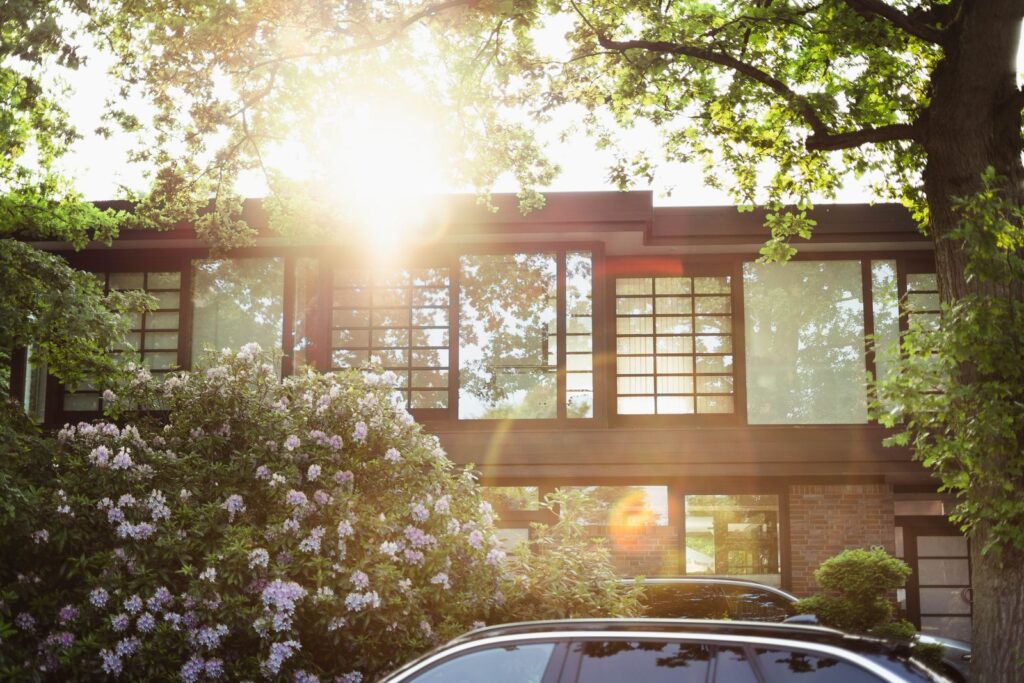
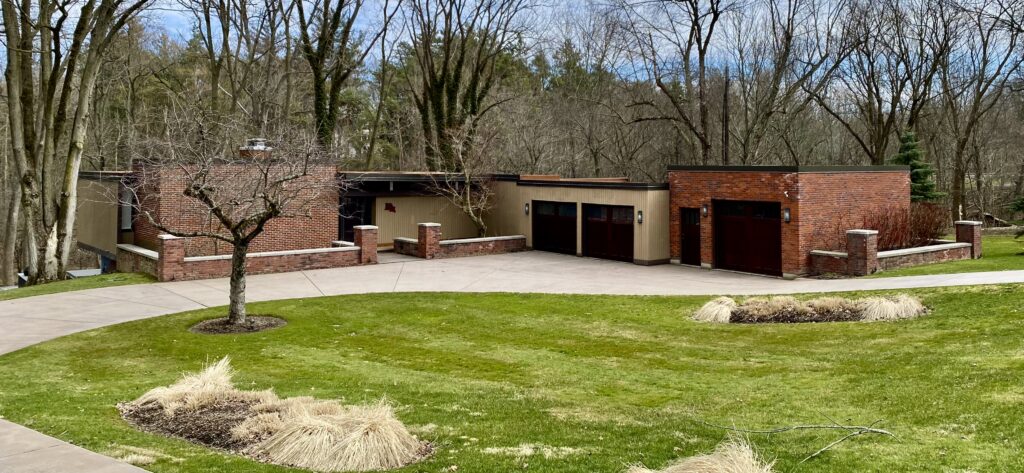
Venice interior design in 2026 is beach modern: bleached white oak, linen on nearly everything, white or plastered walls, and rooms that open onto a courtyard rather than posing for a view. The houses set the terms. Much of the neighborhood is 1910s and 1920s craftsman bungalows on small lots, threaded with pedestrian-only walk streets and interrupted, every few blocks, by an architect-built box. The best Venice interiors borrow from both: the bungalow’s snug scale and the box’s light. This guide covers the housing stock, the look, how to renovate without erasing the character, and where to actually shop it.
The housing stock: bungalows, walk streets, and architect boxes
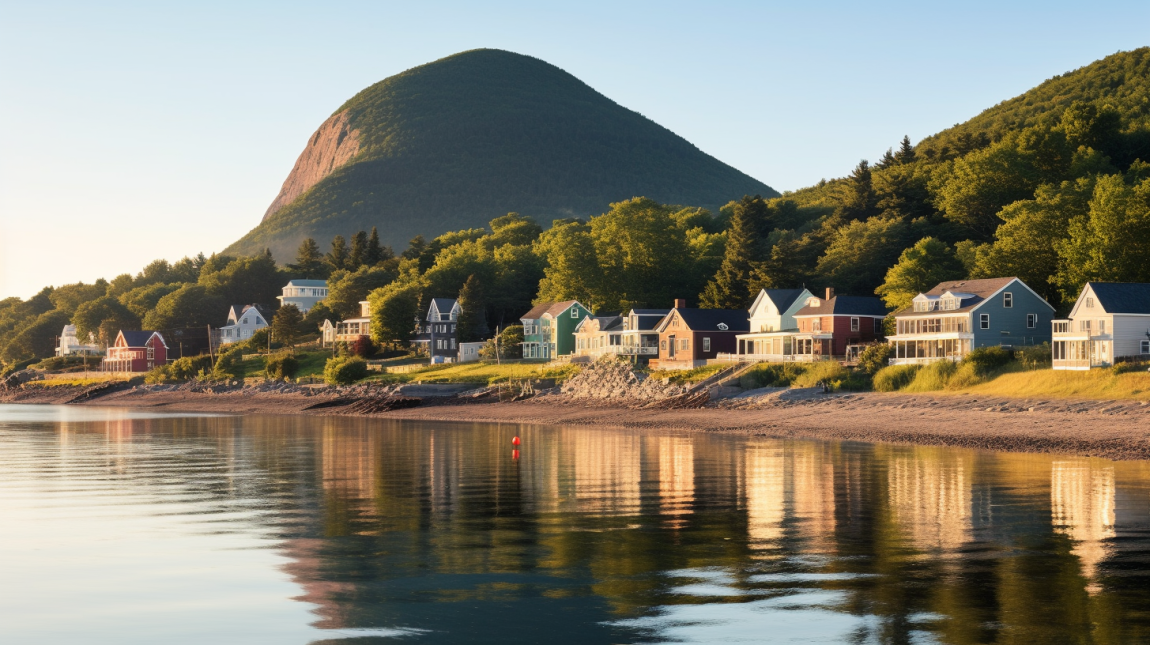
Venice is, at its core, an early twentieth century beach town that got built out fast and never fully standardized. Tobacco heir Abbot Kinney opened his “Venice of America” resort on July 4, 1905, complete with canals, gondolas, and pleasure piers. The housing followed quickly and modestly. Craftsman was the prevailing style of the period, and the surviving canal district, listed on the National Register of Historic Places in 1982, carries a period of significance running from 1904 to 1929. That is the DNA: small frame houses, deep porches, wood windows, and almost no two alike.
What the walk streets are
Walk streets are residential blocks where the “street” is a pedestrian path. Houses front a landscaped walkway instead of asphalt, and cars reach garages through rear alleys. They date to Kinney’s original early 1900s plan, and the best known cluster sits east of Abbot Kinney Boulevard: Crescent Place, Amoroso Place, Marco Place, and Nowita Place, as documented by Gentle Art of Wandering and Modern Venice Homes. Originally home to pier workers and boardwalk performers, these lanes now hold some of the most expensive real estate in Los Angeles. For interiors, the walk street condition matters: with no traffic outside, the front garden becomes a usable room, and houses orient their living spaces toward it.
Then the architects arrived
Frank Gehry gave Venice its second architectural identity. His Norton House, completed in 1984 for artist Lynn Norton and writer William Norton, stacks offset boxes on a narrow boardwalk lot and tops them with a detached writing studio modeled on a lifeguard tower, a nod to William Norton’s early job on this same beach. Seven years later Gehry finished the Chiat/Day offices on Main Street, fronted by Claes Oldenburg and Coosje van Bruggen’s giant binoculars sculpture; the Binoculars Building has housed Google since 2011. The architect-built houses that followed across the neighborhood, stucco and steel boxes shoulder to shoulder with bungalows, made the Venice streetscape what it is: a hundred-year argument between cottage and gallery.
The look: what beach modern means in Venice
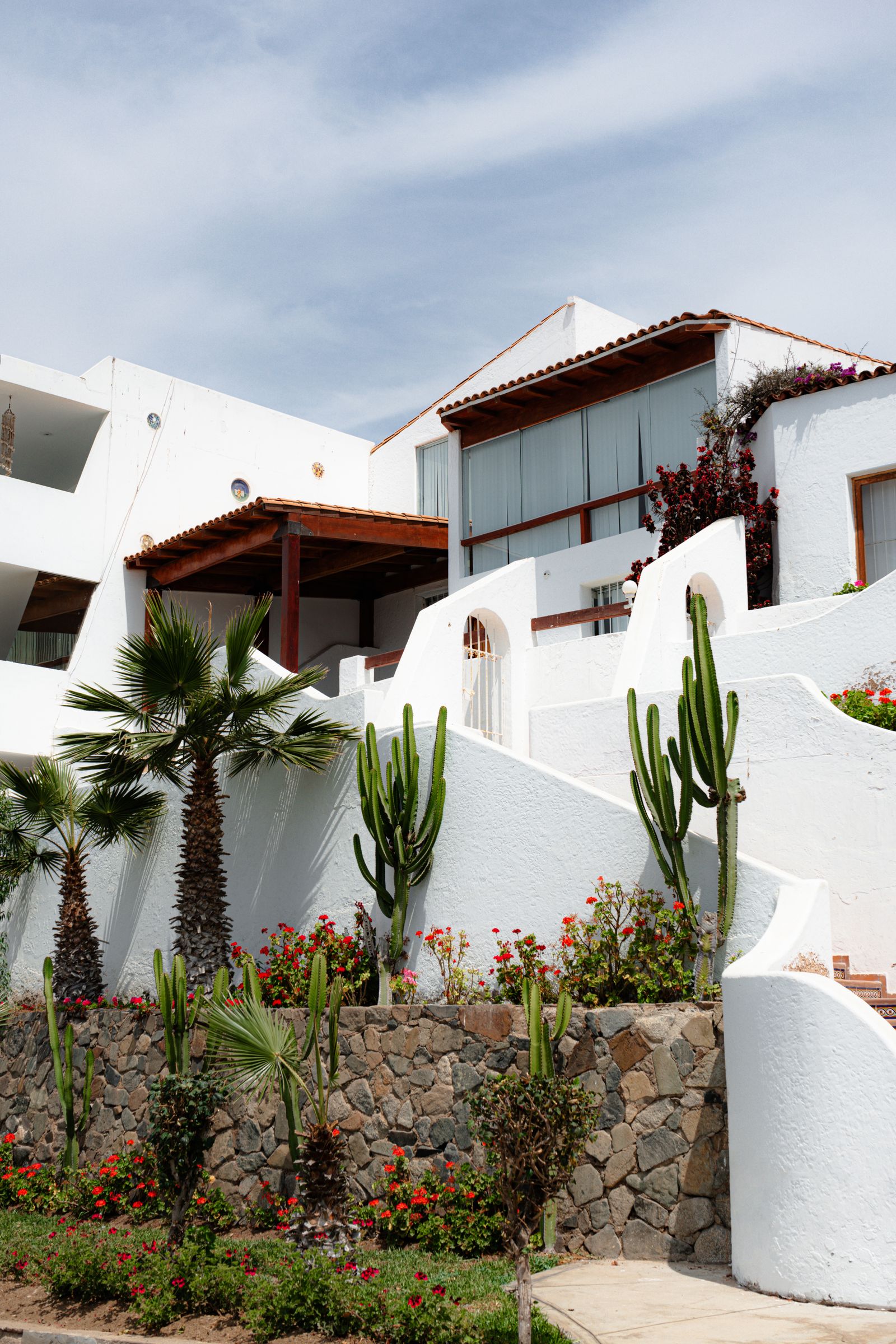
Beach modern in Venice means pale, tactile, and built to open up. Floors are bleached or natural white oak, often wide plank. Upholstery is linen, usually slipcovered so it can be washed after sandy feet find it. Walls run white or limewashed plaster. Texture does the decorating: jute and wool rugs, cane, rope, unlacquered brass that is allowed to darken. Color arrives in small doses, faded indigo, olive, terracotta, rather than nautical navy and white stripes. Compared with Santa Monica interior design, which skews polished and traditional, Venice runs looser, more collected, more comfortable with a surfboard in the hallway.
Light is handled with restraint. Window treatments stay minimal, plain linen panels or nothing at all, because the marine layer already softens the morning sun and the houses are close enough together that glare is rarely the problem. Lighting leans sculptural and warm: paper and rattan pendants, plaster sconces, a ceramic lamp on a stack of books. The goal is the look of a house assembled over years by someone with a good eye, not a furniture showroom delivered in one truck.
The indoor-outdoor connection is the structural move. Sliding or folding glass walls open living rooms to courtyards, and walk street houses treat the front garden as the dining room most of the year. That proximity to the ocean carries a tax: salt air is corrosive. For anything outdoors or near open windows, the materials that hold up are teak, which weathers to silver-gray within months on the coast unless you commit to oiling it, powder-coated aluminum, and 316 marine-grade stainless steel, whose added molybdenum resists the chloride pitting that corrodes standard 304 stainless near saltwater. Solution-dyed acrylic fabrics handle the fog and sun. Cheap plated hardware and untreated ferrous metal will rust here, sometimes within a season.
Keeping bungalow character in a renovation
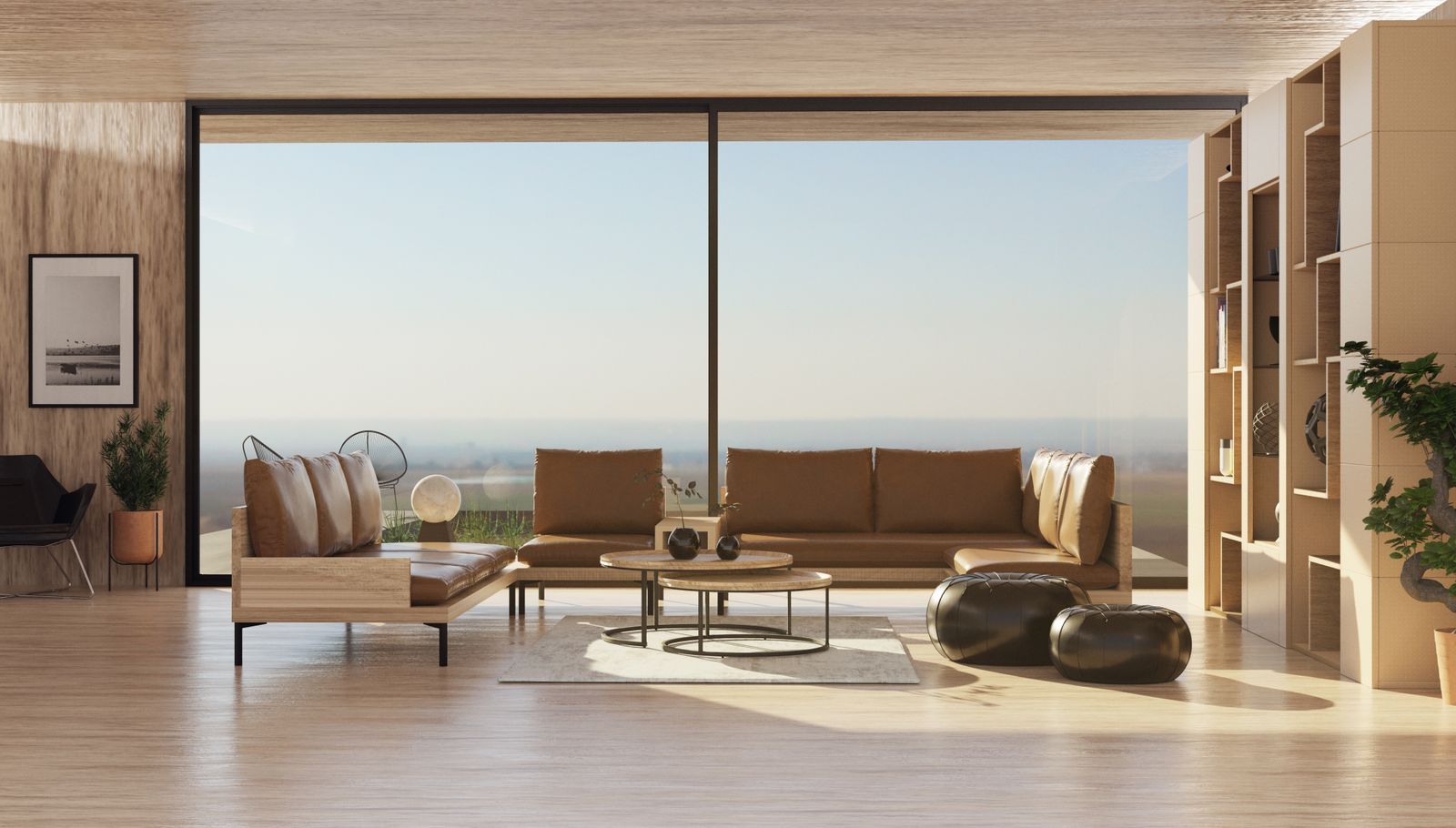
The rule for renovating a Venice bungalow is to open the back and leave the face alone. The front elevation, the porch, the roofline, and the rhythm of wood windows are the character. Inside, the moves that preserve it cost discipline more than money: keep ceiling heights honest rather than chasing double-height drama, repair original wood windows where they survive, and match casing and baseboard profiles when walls move. If original floorboards are intact under later layers, refinish them; a hundred years of patina is not reproducible at any price.
Where bungalows genuinely fail modern life, the kitchen and the primary bath, renovate confidently but keep the palette in period range: painted shaker cabinetry, honest stone, sash windows over the sink. Resist the temptation to gut to the studs and drywall everything flat. And budget realistically; coastal lots, older framing, and Los Angeles permitting all add time and cost, which we cover in our realistic guide to remodeling a home in Los Angeles. The walk streets add one more wrinkle: every material delivery arrives by hand cart down a pedestrian path, so phasing matters.
Where to shop the look in Venice
The shopping for this look concentrates on Abbot Kinney Boulevard and Lincoln Boulevard, all of it walkable in an afternoon. These four are open and verified as of mid-2026:
- Burro, 1409 Abbot Kinney Blvd. A Venice institution for ceramics, candles, coastal-leaning home goods, and gifts, with Burro Kids alongside. Open daily.
- Huset, 1316 1/2 Abbot Kinney Blvd. Modern Scandinavian design from more than 60 designers: furniture, lighting, textiles, and objects, most of it imported directly from the Nordics by the owners. The clean-lined counterweight to the bungalow look.
- Tumbleweed & Dandelion, 1502 Abbot Kinney Blvd. Slipcovered furniture, pillows, throws, and beach-cottage accessories, plus in-house interior design and staging services. The closest thing to a one-stop shop for the soft side of beach modern.
- The Mart Collective, 1600 Lincoln Blvd. A 16,000 square foot vintage market with over 85 dealers selling antique and midcentury furniture, art, and collectibles. This is where the collected layer of a Venice room comes from. Open daily, 10am to 6pm.
For larger contemporary pieces, sofas, dining tables, and case goods beyond what the boulevard carries, see our full guide to where to buy modern furniture in Los Angeles.
Questions readers ask
What style is Venice interior design known for?
Beach modern: bleached white oak floors, washable linen upholstery, white or plaster walls, layered natural textures, and living spaces that open to courtyards and front gardens. It reads casual but disciplined, with vintage and global pieces mixed in. The style grows directly out of the housing stock, small 1910s and 1920s craftsman bungalows beside light-filled architect-built homes.
What are the walk streets in Venice?
Walk streets are residential blocks where homes front a pedestrian-only landscaped path instead of a road, with car access through rear alleys. They date to Abbot Kinney’s original early 1900s plan for Venice of America. The best known are Crescent Place, Amoroso Place, Marco Place, and Nowita Place, east of Abbot Kinney Boulevard, now among the priciest addresses in Los Angeles.
What furniture materials survive Venice’s salt air?
For outdoor and near-window pieces, choose teak, powder-coated aluminum, or 316 marine-grade stainless steel, which resists the chloride pitting that corrodes standard 304 stainless near the ocean. Use solution-dyed acrylic fabrics for cushions. Expect untreated teak to weather to silver-gray within months, and avoid plated hardware and untreated iron, which rust quickly this close to the water.