The short answer: Pasadena interior design is defined by the Craftsman tradition, which means protecting original woodwork, built-ins, and art glass while quietly modernizing everything around them. This is the city where Charles and Henry Greene built the Gamble House in 1908 and set an American standard for handcrafted interiors that has never really been surpassed. If most of Los Angeles designs around midcentury bones and indoor-outdoor living, Pasadena is the counterpoint: dark wood, deep porches, and rooms that were composed down to the last peg. Designing here well means knowing what you have before you change a thing.
Key takeaways
- The Gamble House (1908), designed by Greene and Greene for David and Mary Gamble of the Procter and Gamble family, is a National Historic Landmark and the benchmark for Craftsman interiors.
- Bungalow Heaven, Pasadena’s first landmark district (created 1989), holds more than 800 Craftsman-era homes built between 1900 and 1930.
- The preservation rule of thumb: never paint original woodwork, keep the built-ins, and protect the art glass. These three elements carry the whole style.
- Updates belong in kitchens, bathrooms, lighting, and the furniture mix. A Craftsman shell handles modern and even midcentury pieces better than most people expect.
- The Rose Bowl Flea Market runs the second Sunday of every month, rain or shine, with more than 2,500 vendors. General admission is $15 plus fees, online only, and children under 12 enter free with an adult.
- Pasadena Heritage (founded 1977) and the Greene and Greene collection at the Huntington in San Marino are the two institutions serious Craftsman owners should know.
Why Pasadena is the Craftsman capital
Pasadena’s architectural signature was written between roughly 1900 and 1930, when the American Arts and Crafts movement found its fullest expression in the foothills of the San Gabriels. Wealthy Midwesterners wintering here hired architects who believed a house should be built like furniture: exposed joinery, hand-rubbed wood, art glass that filtered light instead of blocking it. The result is a housing stock unlike anywhere else in Los Angeles County, and a design culture with its own rules.
The masters were brothers. Charles and Henry Greene ran their Pasadena practice at the height of the movement, and their surviving houses cluster in the Arroyo Terrace neighborhood near the Rose Bowl, a National Register historic district that holds nine Greene and Greene homes. The Gamble House, at 4 Westmoreland Place, is the one you can walk through, and the one that explains everything else in this article.
The Gamble House: the standard, still standing
Built in 1908 for David and Mary Gamble of the Procter and Gamble Company, the Gamble House is widely considered the most complete and original surviving example of Greene and Greene’s work. It is a Local, State, and National Historic Landmark, owned by the City of Pasadena and operated by The Gamble House Conservancy. Rooms are lined with rare woods; the fixtures and furnishings were designed by the architects for this house and no other. Nothing in it is generic, and that is the point.
For anyone designing a Pasadena interior, the house functions as a reference library. The one-hour docent-guided tour covers the essentials. Deeper cuts exist for the committed: Behind the Velvet Ropes is a two-and-a-half-hour tour with flashlights, into spaces the standard tour skips, and Details and Joinery is a three-hour walk-through led by master cabinetmaker Jim Ipekjian. There is also a guided walk through the surrounding Arroyo Terrace neighborhood. Tours run Tuesdays and Thursdays through Sundays, visits are by tour only, and reservations are recommended.
Go for the stair hall alone. Then notice the sleeping porches: indoor-outdoor living decades before the midcentury architects claimed it. Pasadena got there first, in teak and mahogany.

Bungalow Heaven and the real housing stock
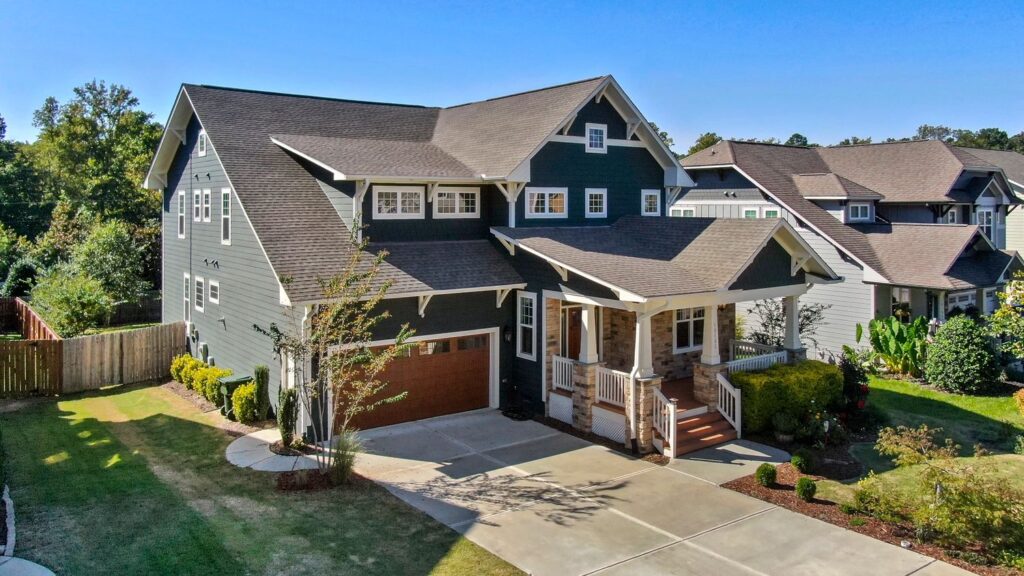
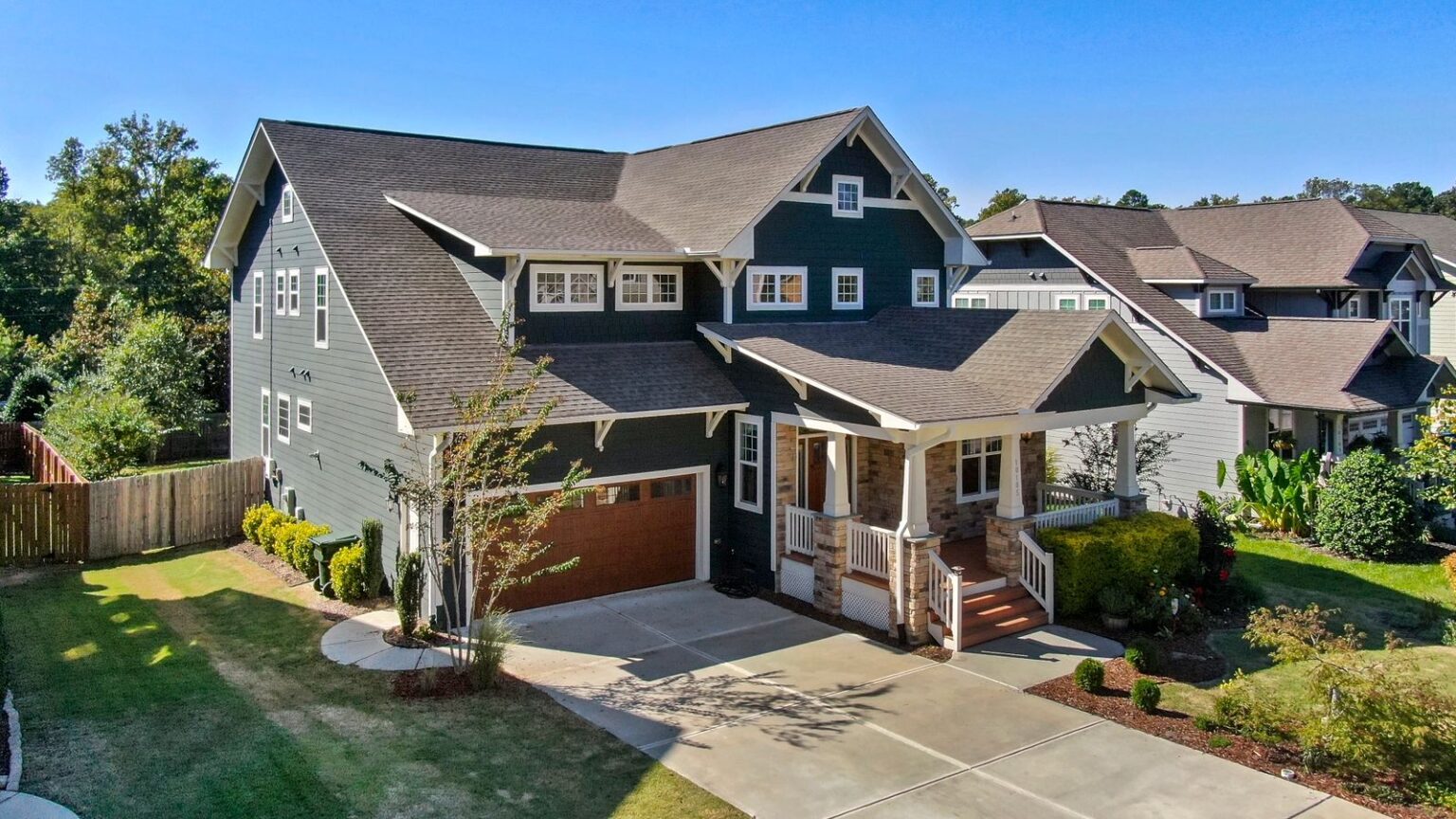
Most Pasadena Craftsman owners do not live in a Greene and Greene. They live in a bungalow, and the densest concentration sits in Bungalow Heaven, a leafy square-mile neighborhood in northeast Pasadena with more than 800 small Craftsman-era homes built between 1900 and 1930. It became the city’s first landmark district in 1989, was later listed on the National Register of Historic Places, and the neighborhood association runs an annual home tour, a genuinely useful look at how real owners live in these houses today.
The typical Bungalow Heaven house is a story and a half, with a low sloping roof, a wide veranda, an open plan for its era, and interiors full of built-ins: cabinets, bookshelves, window seats. That package, modest square footage plus abundant millwork, is the actual design brief for most Craftsman projects in this city. Within the landmark district, exterior changes are reviewed by the city, one more reason the design energy goes inward.
What designers preserve: the non-negotiables
The woodwork
Unpainted wood is the soul of a Craftsman interior. Box beams, wainscoting, door and window casings, picture rails: if the original finish survives, the first rule is to keep it. Stripping decades of paint from previously painted trim is slow and expensive, but designers who work in these houses treat it as the highest-value move available. A freshly stripped and oiled fir or oak interior changes the entire room before a single furnishing arrives.
The built-ins
Ripping out a built-in buffet to gain a few feet of wall is the classic Craftsman regret. Built-ins are the storage, the architecture, and much of the resale story in one piece. Designers keep them, rewire the ones with original lighting, and style around them rather than against them.
The art glass
Leaded and stained glass in doors, cabinet fronts, and windows is close to irreplaceable at original quality. The Gamble House runs a two-hour tour, Fire and Light, led by glass artist John Hamm, devoted entirely to the leaded art glass in the house. That a single house can sustain a two-hour glass tour tells you how central the material is to the style. Restore, releade, protect. Do not replace with clear panes.

What designers update, and how
A preserved shell does not mean a period-piece interior. The best Pasadena rooms today pair original wood with a lighter hand everywhere else. Walls in warm whites, muted greens, ochres, and clay tones let the millwork read as the star instead of closing the room down. Textiles go simple and natural: linen, wool, leather. And Craftsman rooms take midcentury and contemporary furniture surprisingly well, since both traditions prize honest materials and visible structure. A Danish teak credenza under a fir picture rail is not a clash; it is a conversation.
Kitchens and bathrooms are where most of the budget and most of the freedom live, since few bungalows retain original ones worth saving. The playbook is quality materials in period-sympathetic forms: flat-panel or shaker cabinetry, unlacquered brass or bronze hardware, handmade tile. For what those projects actually run in this market, see our bathroom renovation cost guide for Los Angeles, and for the permitting and process side, our home remodeling guide applies to Pasadena as much as anywhere in the county. Lighting deserves its own line item: original fixtures get rewired, and new ones should throw warm, low light. Craftsman interiors were designed for lamplight, and they die under cool recessed cans.
Sourcing: the second Sunday and the institutions
Pasadena hands you a sourcing calendar. The Rose Bowl Flea Market runs the second Sunday of every month at the Rose Bowl, rain or shine, with more than 2,500 vendors, and it has been going for over 50 years. General admission is $15 per person plus a small fee ($15.83 total), sold online only, starting at 9 a.m.; VIP entry from 5 a.m. is $22 plus fees ($23.21 total); children under 12 are free with an adult, and parking is free. The dedicated antiques area is where the Craftsman-era case goods, lighting, and pottery surface. Arrive early for first pick.
Two institutions round out the education. Pasadena Heritage, the preservation nonprofit founded in 1977, runs walking tours and the annual Craftsman celebration that grew out of its long-running Craftsman Weekend. And the Huntington, just over the city line in San Marino, holds the Greene and Greene archives, roughly 6,000 items given by the Gamble House Conservancy, alongside a permanent gallery of the brothers’ work that includes the reassembled staircase from the 1905 Libby House. If a project outgrows self-education, our directory of Los Angeles interior designers includes firms fluent in historic fabric.
The Craftsman standard is not nostalgia. It is a working method: respect the hand that built the room, then live like it is 2026. Pasadena has been showing the rest of Los Angeles how for more than a century.
Related reading
- Los Feliz Interior Design: Living With the Masters
- Where to Buy Vintage and Midcentury Furniture in Los Angeles
- A Realistic Guide to Remodeling a Home in Los Angeles
Frequently asked questions
What defines Pasadena interior design?
The Craftsman tradition, which means protecting original woodwork, built-ins, and art glass while quietly modernizing everything around them. The rule of thumb is to never paint original woodwork, keep the built-ins, and protect the art glass. Updates belong in kitchens, bathrooms, lighting, and the furniture mix, and a Craftsman shell handles modern and even midcentury pieces better than most people expect.
Can I paint the original woodwork in my Craftsman?
You can, but almost no designer who works in Pasadena will advise it, and buyers here treat intact original finish as a premium feature. If the wood is already painted, budget for stripping the most visible rooms first. If the finish is original, clean and recondition rather than refinishing aggressively.
Do I need approval to renovate a house in Bungalow Heaven?
Bungalow Heaven is a City of Pasadena landmark district, so exterior changes are subject to city review under the district’s building requirements. Interior work is where owners have the most freedom, which is exactly where thoughtful design pays off. Check the Bungalow Heaven Neighborhood Association and the city’s current guidelines before planning exterior work.
Is the Gamble House open to the public?
Yes, but only by guided tour, offered Tuesdays and Thursdays through Sundays, from the standard one-hour docent tour to specialty tours covering joinery and art glass. Advance reservations are recommended, and there is a bookstore on site.